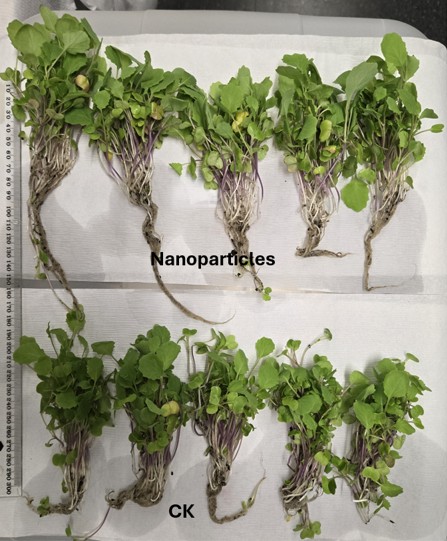
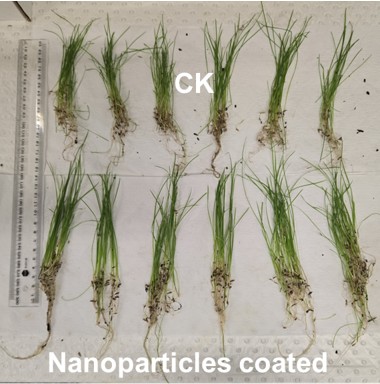
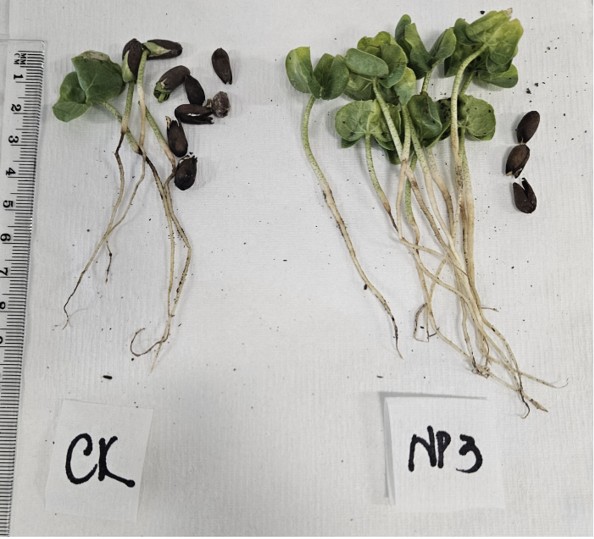
Conventional pesticide delivery is inefficient, leading to chemical overuse, poor crop uptake, and long-term soil degradation. Farmers are under increasing pressure to reduce environmental impact and input costs, yet current formulations often require high doses with limited results. It’s a system that’s costly, wasteful, and unsustainable.
NANOSOILS BIO
The Solution
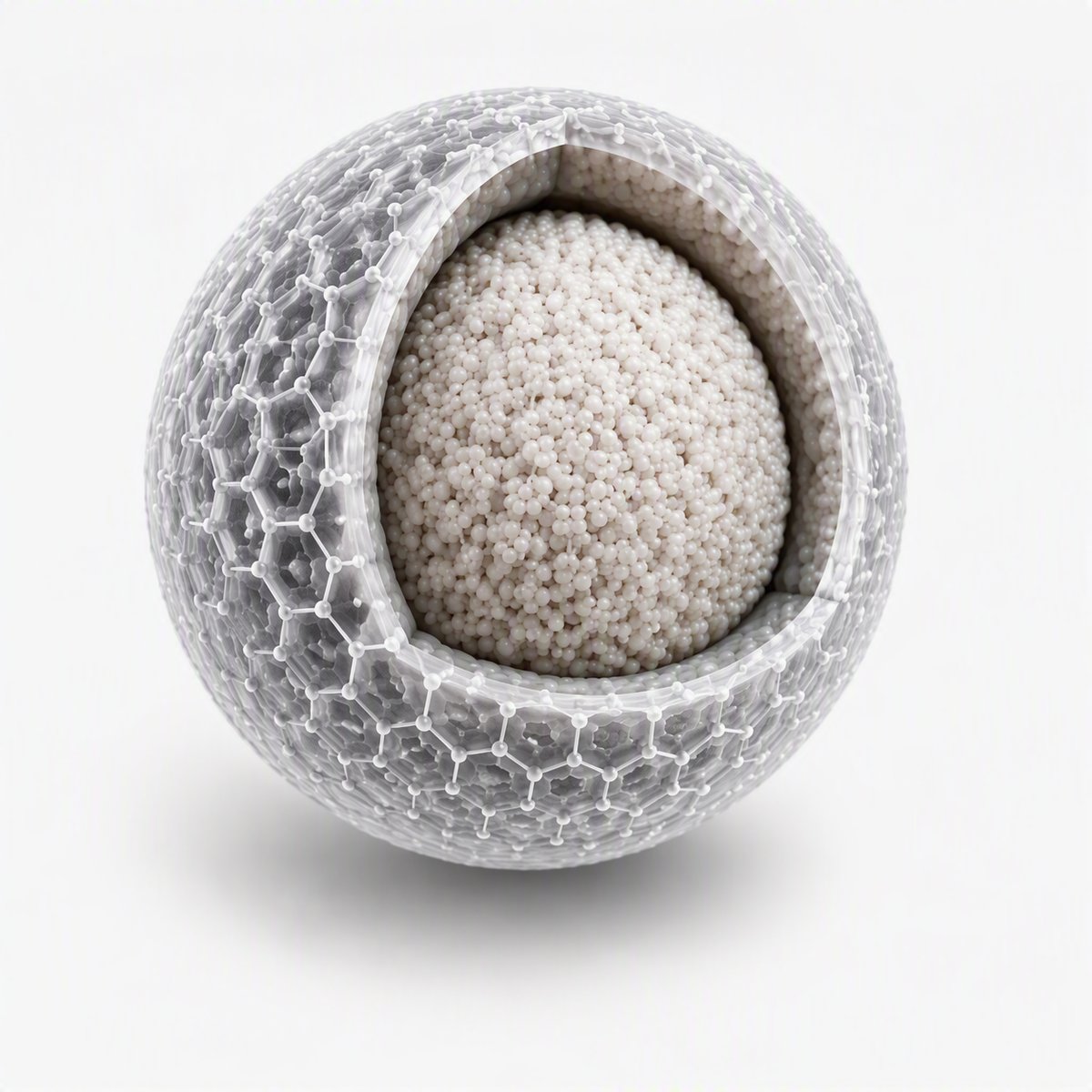
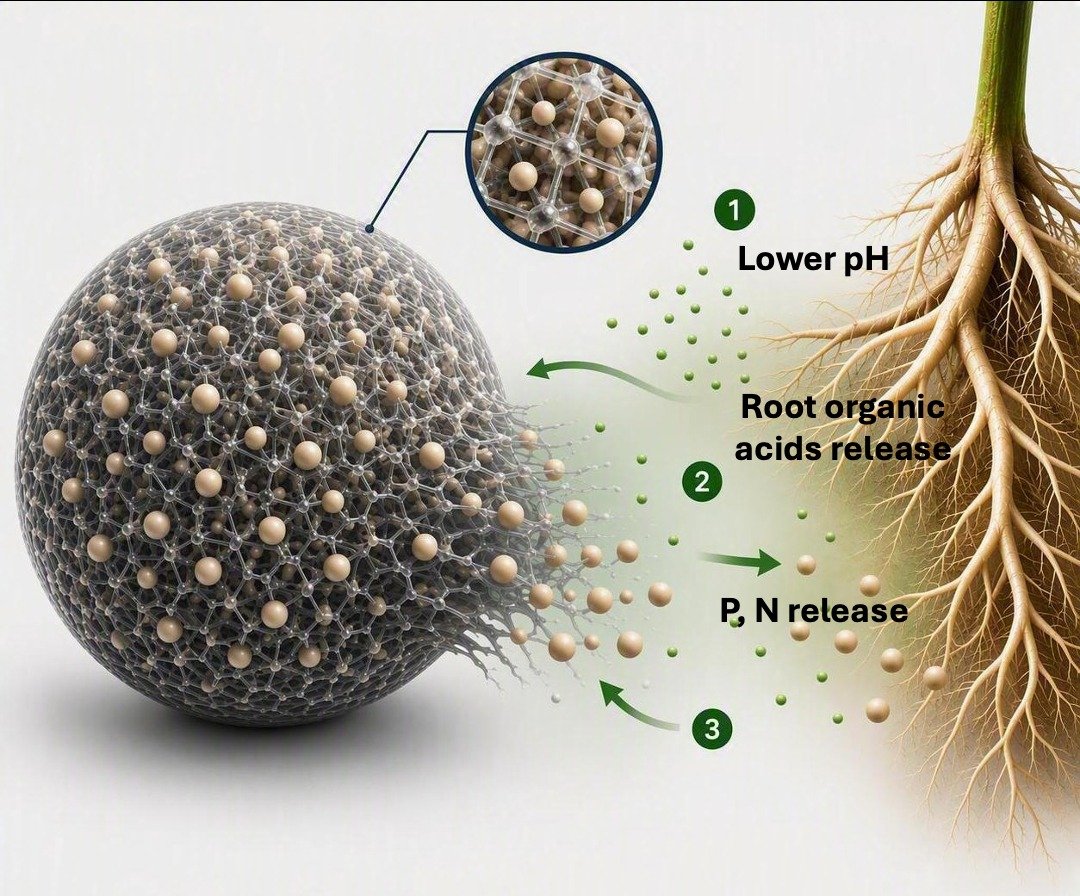
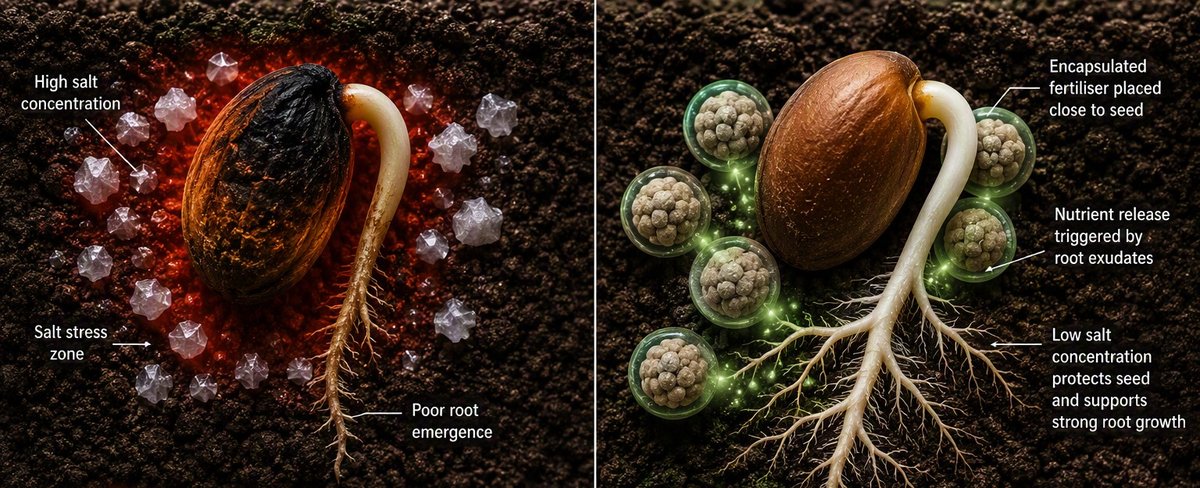
NanoSoils develops patented nano-formulations that enhance pesticide adhesion, solubility, and uptake. The technology improves effectiveness at lower doses, reducing chemical use while protecting crop health and soil biology.
Target Market
NanoSoils is designed for progressive growers, agronomists, and seed suppliers who want to maximise crop performance while minimising chemical use. With rising demand for sustainable practices and residue-free produce, the solution appeals to those seeking smarter, science-backed inputs that align with future farming standards.
Stage of Development
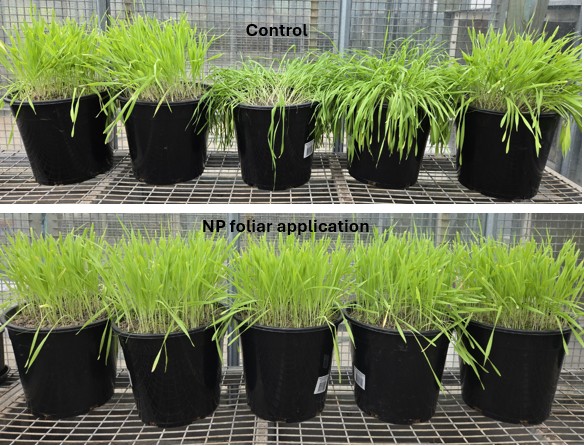
NanoSoils has validated its nano-formulations through early-stage trials and is now working closely with growers and researchers to optimise field performance. The focus is now on scaling formulation capabilities and expanding use across different crop types and regions.
NanoSoils uses a completely different nanotech approach—designed to improve adhesion, solubility, and efficacy at lower doses. The goal is simple: better results, fewer chemicals, and a system that works with what farmers already have.
A Team of Visionaries and Innovators

He is the recipient of multiple national and international awards, including:
• 2024: ACS Sustainability Star (American Chemical Society)
• 2024: Winner, evokeAG Startup Alley Award
• 2023: Science and Innovation Award for Young People in Agriculture (DAFF, $22,000)


more than 36000 times and his H-index (Scopus) is 95. He has won numerous awards including three Eureka Prizes in Scientific Research, Mentoring of Young Researchers and Innovative Use of Technology, The David Craig Medal from the Australian Academy of Science, the Faraday Medal of the Royal Society of Chemistry, twice won the Elsevier
Biosensors and Bioelectronics Award, the Katsumi Niki Prize in Bioelectrochemistry and
the Heyrovsky Prize for Molecular Electrochemistry, both from the International Society of
Electrochemistry. He has been part of the commercialization teams for a glucose biosensor
that is sold worldwide and an Australian based 3D bioprinting company. He leads a research team of over 30 researchers interested in surface modification and nanotechnology for biosensors, biomaterials, electron transfer and medical applications.

Distinguished Professor Brajesh Singh is an internationally recognised expert in the field of functional ecology and soil biology. Through his fundamental research, his work identifies the quantitative relationships between soil biodiversity and ecosystem functions and how natural/anthropogenic pressures such as global change affect this. His applied research harnesses the knowledge gained in fundamental research to achieve increased farm productivity, sustainable development, environmental protection and food security. His research has advanced critical areas of ecosystem science, particularly linking soil biodiversity (microbial and faunal) to key ecosystem functions and services and has developed tools to improve farm productivity and environmental sustainability. This includes climate adaptation tools for the agriculture industry, management solutions to increase soil organic matter, increased export market access for agriculture produces, and training for farmers, consultants and policy advisors in sustainable agriculture and the Sustainable Development Goals.
Connect for investment, pilots, or partnership opportunities
Unlock access to a new agricultural asset.